Choosing what to write about this week felt harder than usual. It wasn’t just the man flu—I wanted to write something that mattered. My first blog felt honest and personal. My second, while not bad, didn’t feel like me. So this time, I decided to lean into something I’ve heard my whole life: why I prefer animals to people.
If you read my first post, you’ll already know I’m often labelled weird or a loner because I’d rather spend time with animals than with people. That’s been true for as long as I can remember. Growing up, school was a hostile place. Bullying filled most of my days, and while I’d like to say I’m completely over it, I’m not. At the same time, it shaped me, so it’s hard to separate the damage from the person I became.
After school, I retreated into quiet routines. In autumn and winter, that meant checking on my animals, cleaning enclosures, tidying my room if necessary, then reading or watching documentaries. Weekends were much the same, with photography added in. Spring and summer were different. I spent more time outdoors—sitting in fields, reading, taking photos. Those moments of calm mattered.
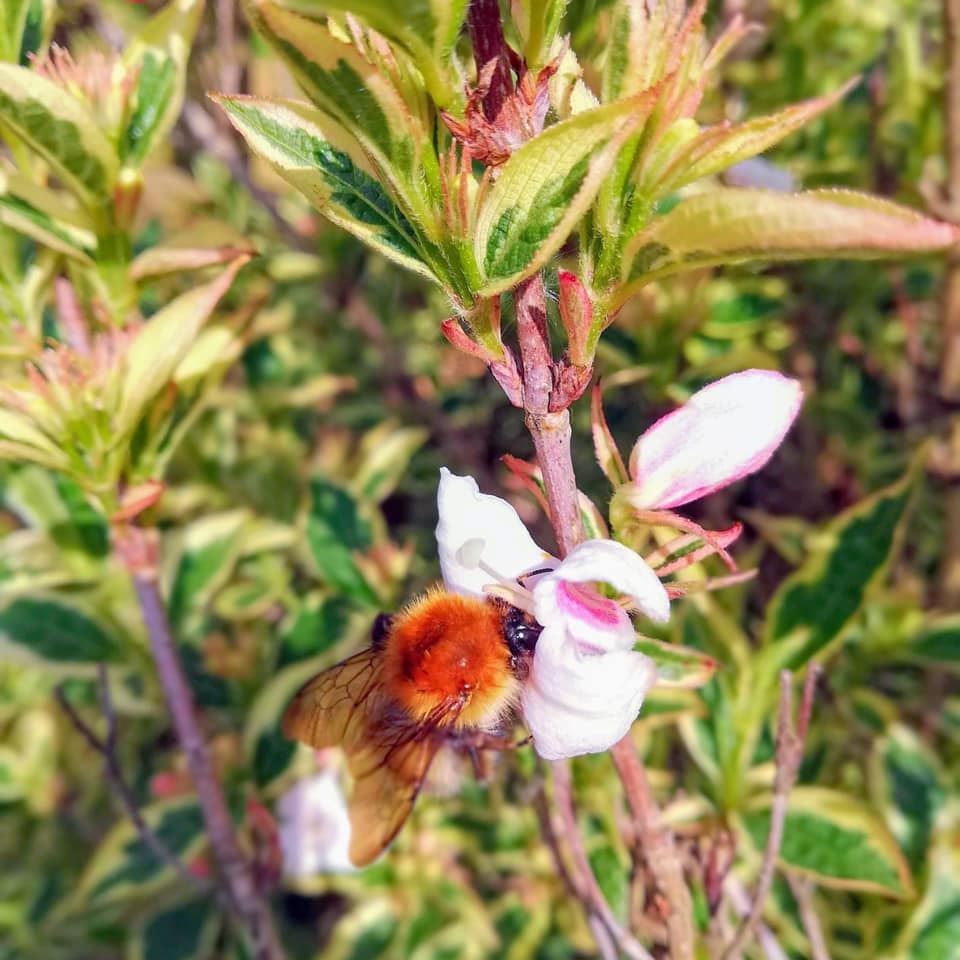
One of my earliest and most formative bonds was with our cat, Mimi. She was poisoned when I was around seven or eight, and I was the one who found her. At the time, I also had epilepsy and wore a helmet, caused by a chandelier falling on my head when I was a baby. I eventually grew out of it, but losing Mimi so young stayed with me.
We didn’t have pets for a while after that. Not because I was traumatised, but because my dad worried about my safety. I used to have “drop attacks,” and if one happened while I was holding an animal, the consequences could be serious. When those stopped, we finally got a dog—Molly.
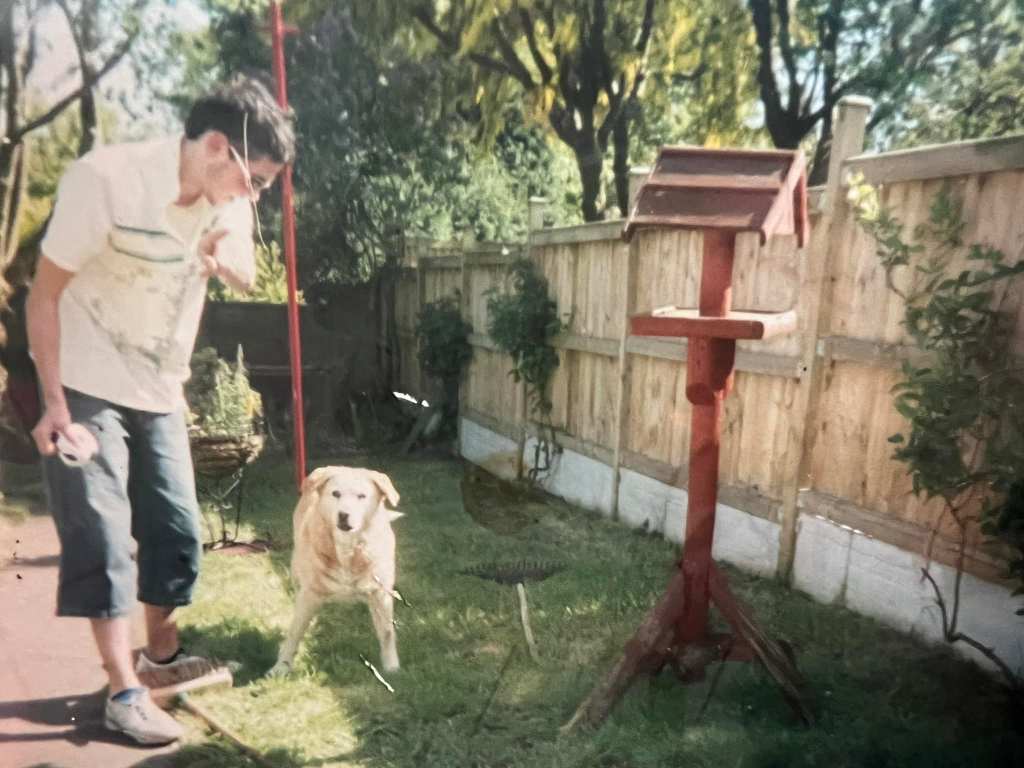
Molly was my best friend. We got her when I was twelve, and we lost her when I was sixteen. She’s also tied to one of my deepest regrets. While I was at school, my dad took her to the vet and was told she needed to be put to sleep. He left her there. She died without either of us with her. Even now—after my dad has passed too—it hurts knowing I never got to say goodbye, and that she didn’t have her people with her at the end.
Molly was a rescue: half Labrador, half Golden Retriever, and the gentlest dog I’ve ever known. Her previous owner gave her up after becoming a Jehovah’s Witness. Her daughter, Francesca, always called to check in. Her mum never did. I’ve never agreed with choosing religion over an animal, and I still don’t.
Molly slept at the foot of my bed every night—only mine. When I was ill, she wouldn’t leave my side. Those memories still make me smile and cry at the same time.
She also confirmed what I already knew: I loved animals. What I didn’t know was what to do with that love. I wanted to help animals, but I didn’t want to be a vet. I struggled with how veterinary care is priced, and I knew I wouldn’t cope well with constant loss. Everything changed when I got my first snake. I felt a connection to reptiles—especially snakes—because they’re misunderstood, feared, and judged. Like I was.
That led me to study zoology and specialise in herpetology. I imagined working in zoos, travelling, educating people. Instead, life took a quieter turn. Until my thirties, the only time I worked hands-on with animals was in Qatar, helping at an animal rescue—an experience I’ll always value. Eventually, I settled down, bought a house, and those dreams shifted rather than disappeared.
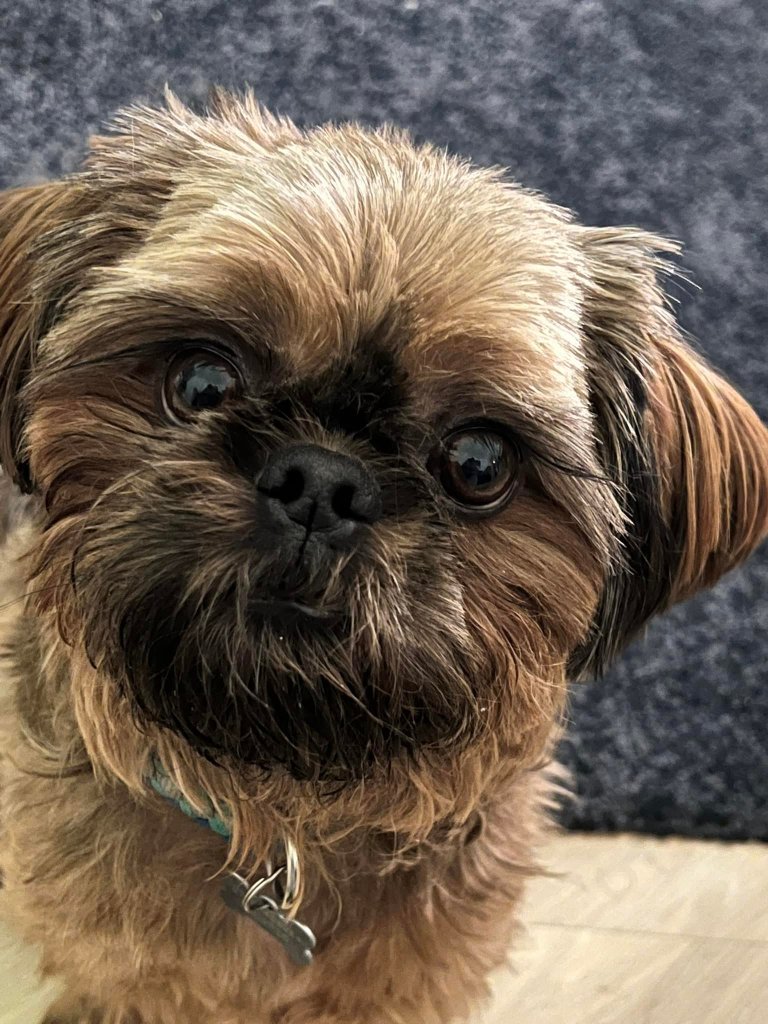
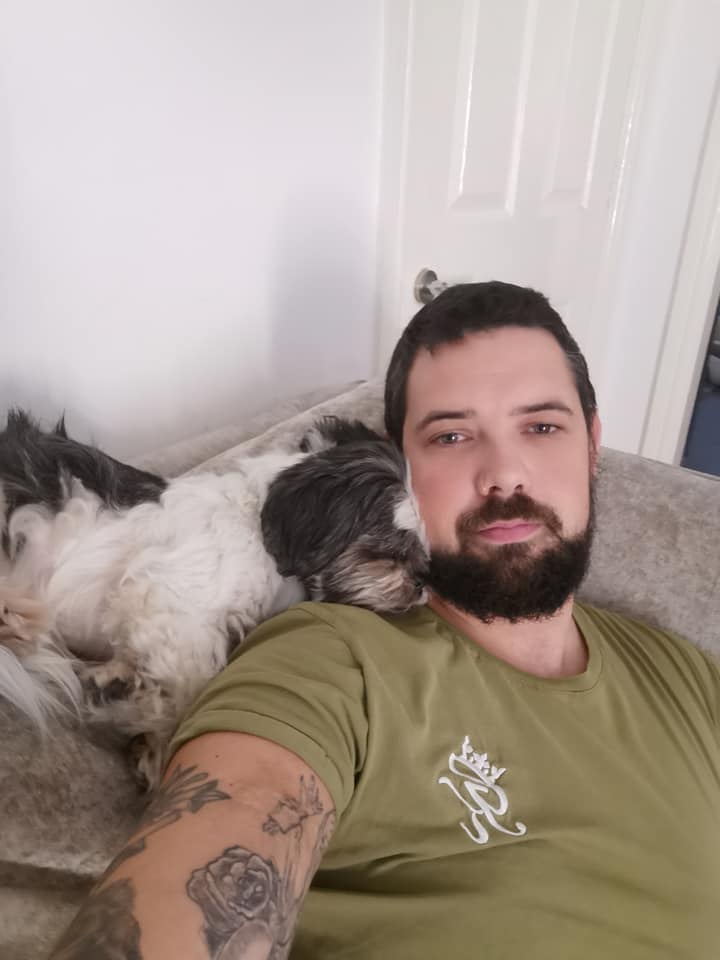
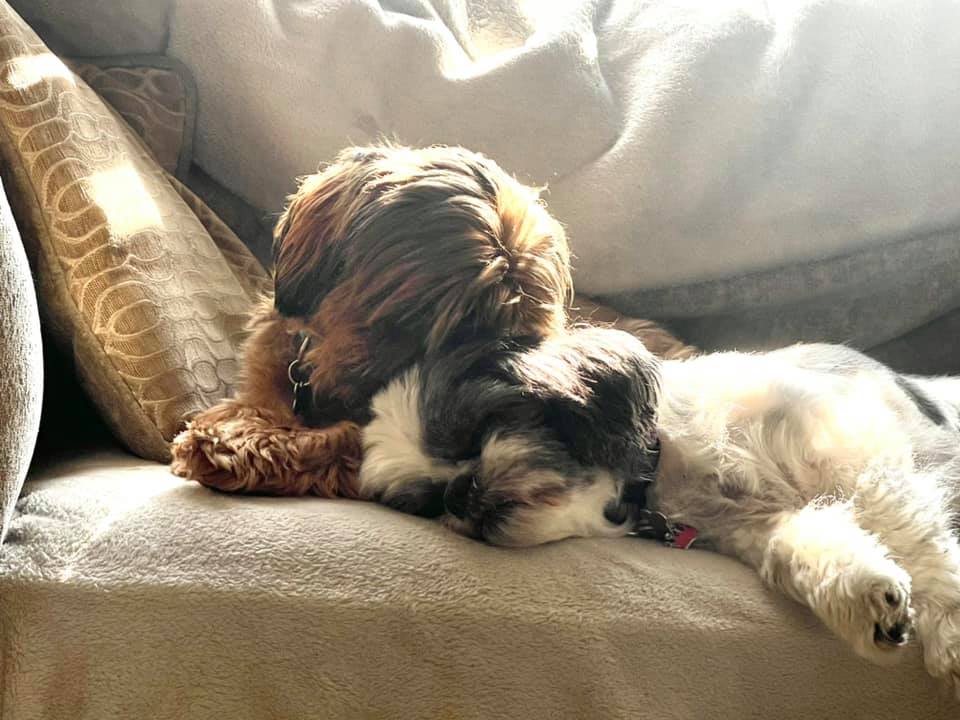
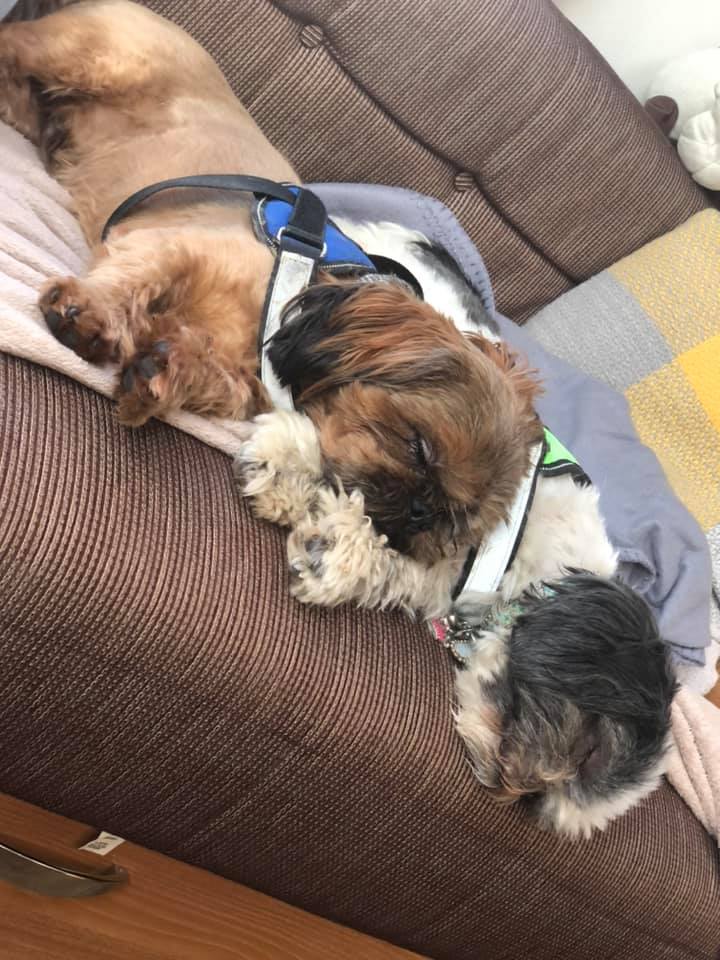
When my partner and I moved into our current home, we got Teddy, a Shih Tzu. She originally wanted a pug, but the moment she saw him, she fell in love. So did I. I worried over him like a new parent—every fall, every illness, every scare. Teddy has always been a mummy’s boy.
After about a year, I told my partner I wanted another dog—a girl. Not for breeding or any reason like that. I just wanted a “daddy’s girl.” A few weeks later, Sunny entered our lives.
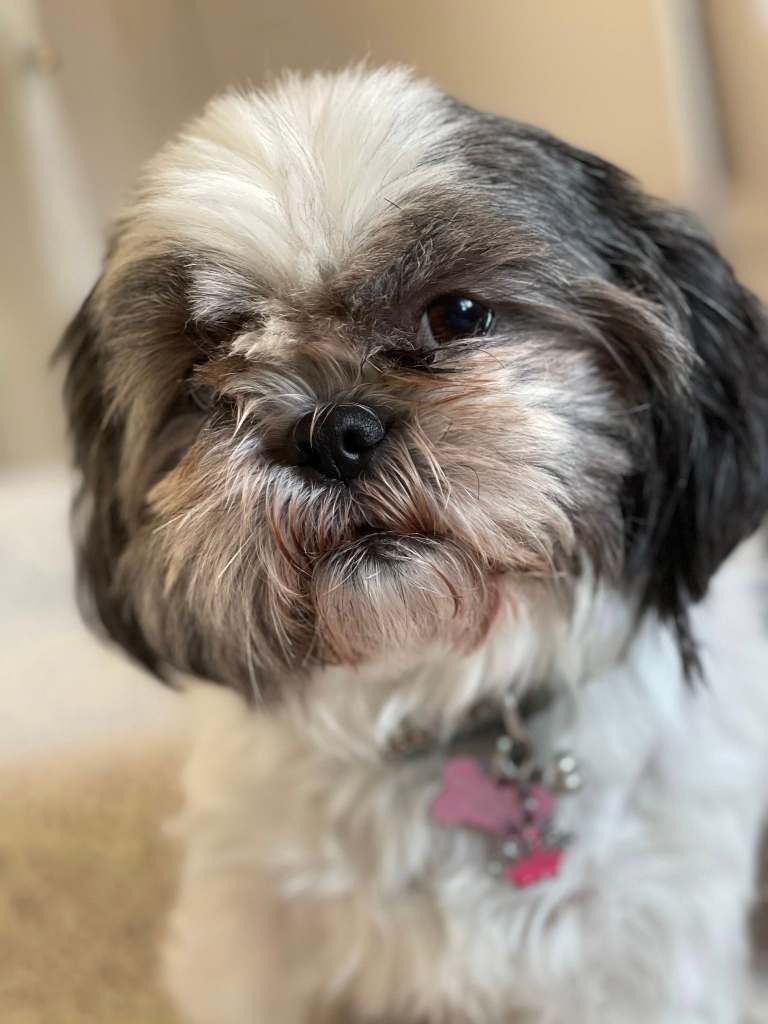
Sunny was being rehomed because her owner’s new boyfriend had a dog that didn’t like small dogs. Worse still, Sunny was being left alone all weekend with bowls of food and water. When she arrived at ours, she was matted, smelled of urine and faeces, and yet was still loving and trusting. That alone told me everything.
I slept on the sofa with her that first night. She curled into me, and that was it. She wasn’t going back.
Her owner never returned. She didn’t even call.
Sunny became my dog from day one. She slept on my pillow, next to my head, every night. Teddy was my partner’s dog; Sunny was mine.
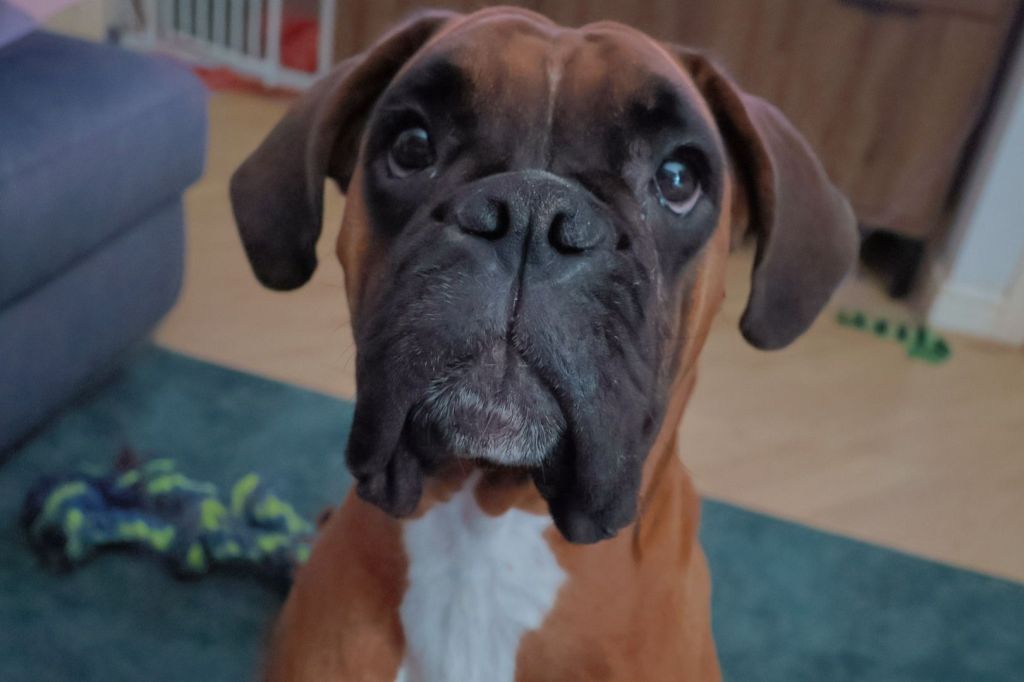
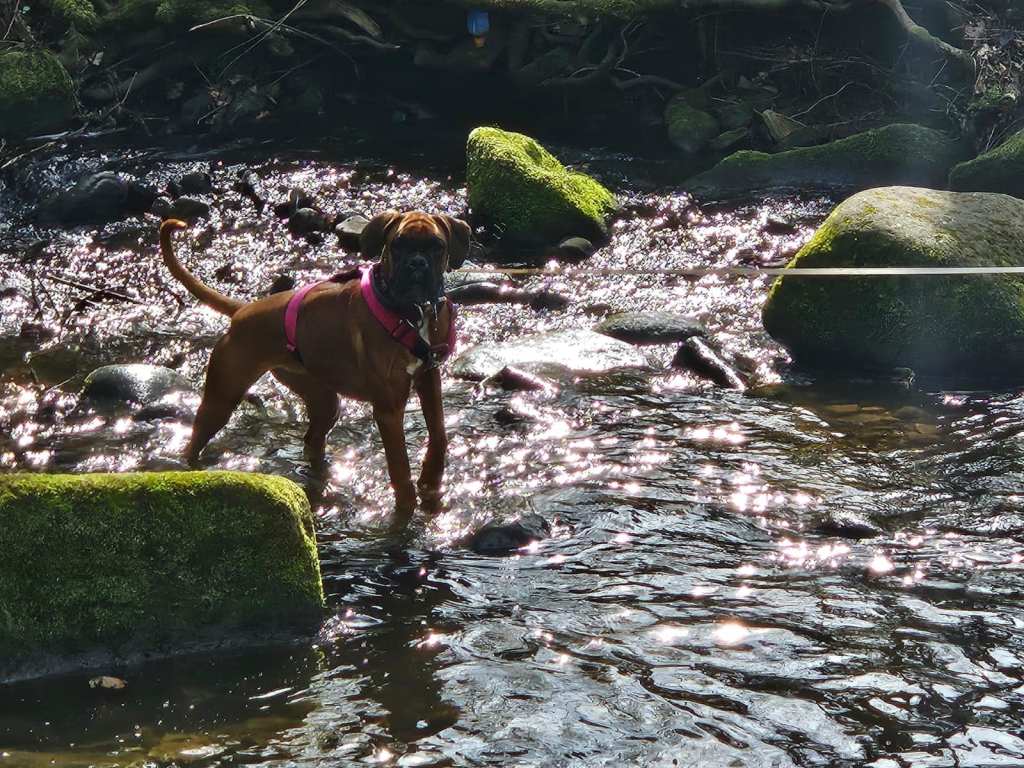
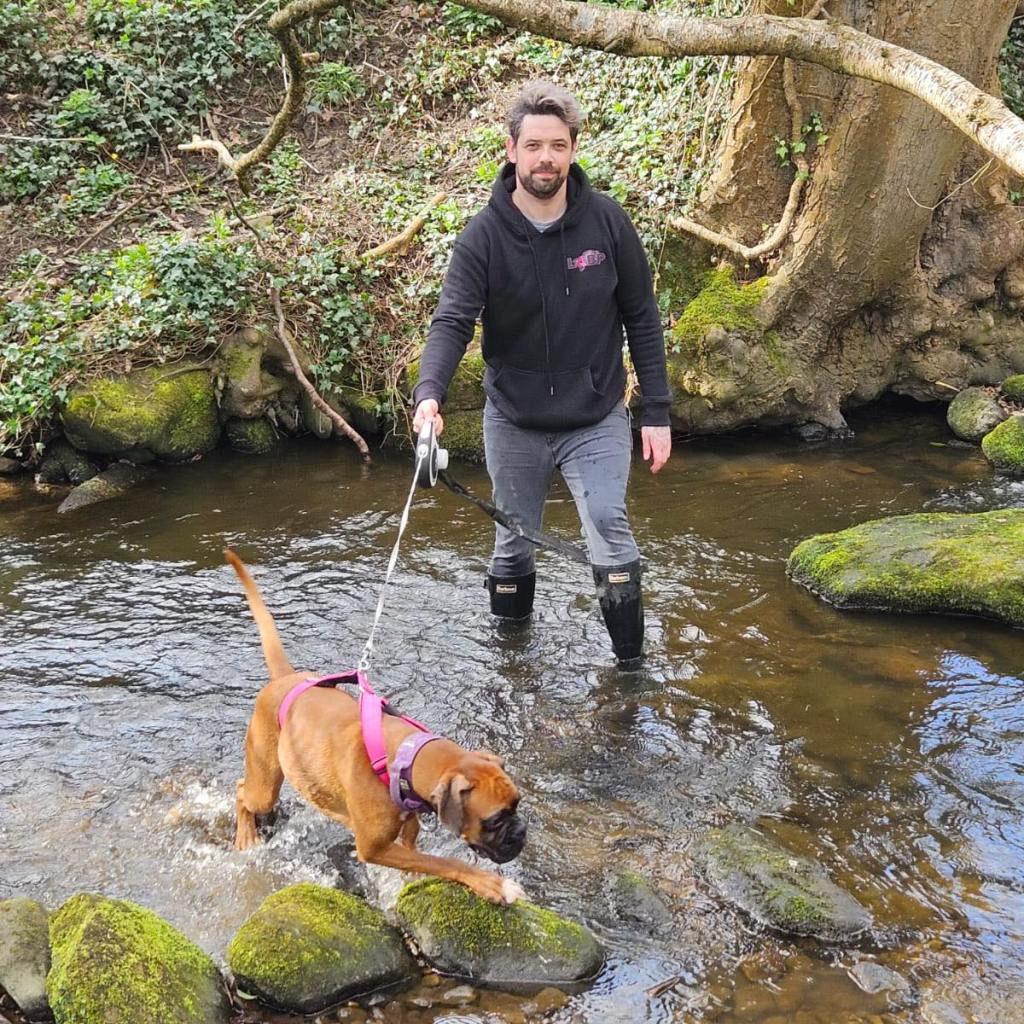
Later, we added Daisy—a Boxer we affectionately call our 30kg house hippo. Teddy is my partner’s little boy, Sunny was my little girl, and Daisy is our girl. She’s full of life, endlessly loving, and completely convinced she’s a lap dog. As I write this, she’s lying beside me, unaware of her size and perfectly content.
Daisy brought a different rhythm into our lives. Unlike Teddy, she loves long walks, which suits me perfectly. We spend a lot of time outside together, surrounded by nature. Daisy has absolutely zero recall, despite every training attempt we’ve made, so she walks on a long lead, and we take her to a local dog park where she can run freely. Watching her let loose never gets old.
Like Teddy and Sunny before her, Daisy has given us our scares. One of the worst involved her sister, Dora, who suddenly fell ill and had to be put to sleep. The vets suspected leptospirosis—a rare but serious disease. Because Daisy was her sister, we had to have her tested. Those days waiting for results were agonising. Thankfully, she was fine.
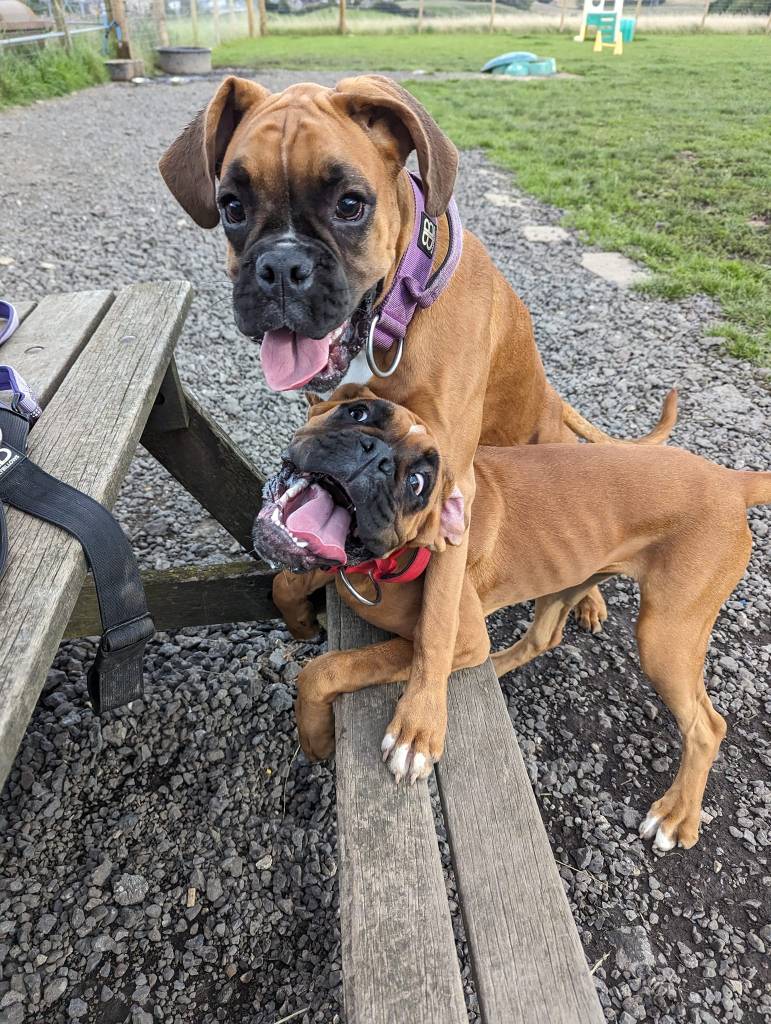
She still worries us in familiar ways—cuts from walks that she makes worse by licking, a mild chicken allergy that complicates feeding—but none of that matters. We wouldn’t change her for the world.
A year ago this month, we lost Sunny.
She had Cushing’s disease, which was managed, and long-standing eye problems. When her eye suddenly worsened, the vet told us it would need to be removed. They were also concerned about her weight loss. Scans would cost thousands, but the vet was honest: it was most likely cancer, and her quality of life would be poor.
I took her home for a few days. I didn’t leave her side. I kept telling her I would do what was right for her, not for me. When the moment came, I couldn’t say the words. My partner had to. We stayed with Sunny until the end. I held her and looked into her eyes one last time. I know she was ready, and I know she knew how loved she was. Dogs live in the moment—her final moments weren’t fear, they were comfort.
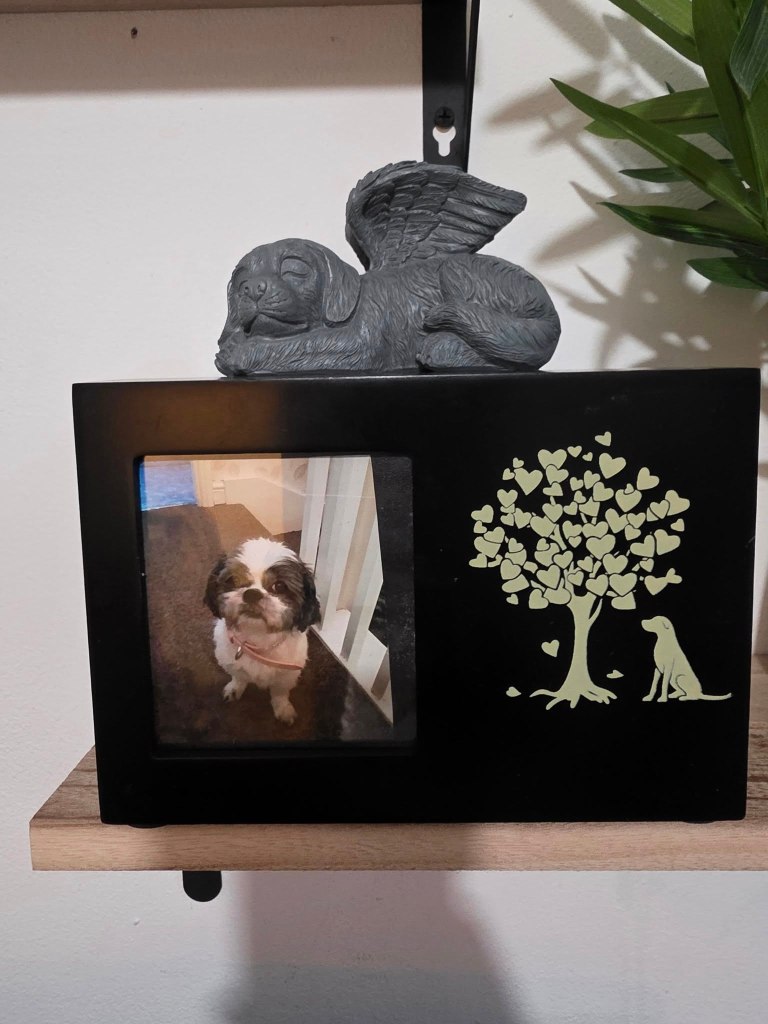
The house felt wrong afterwards. Even with Teddy and Daisy, something was missing. Teddy knew. When Sunny’s ashes came home, he began visiting the room they’re kept in every morning. I like to think he’s saying hello.
Daisy filled the silence in her own way—not by replacing Sunny, but by being herself. She brought movement back into the house, laughter back into our routines. Teddy protects her on walks, which never fails to make me smile: a tiny Shih Tzu bravely guarding a much larger Boxer. They aren’t best friends, but they are family, and that’s enough.
So why do I prefer animals to people?
Because animals don’t judge bad days. They don’t hold grudges. They don’t pretend. Most so-called “dangerous” animal behaviour is the result of human fear, ignorance, or cruelty. Humans should know better—but too often we don’t. We destroy forests, start wars, hunt animals for sport or to extinction. Animals simply exist. They take what they need and no more.
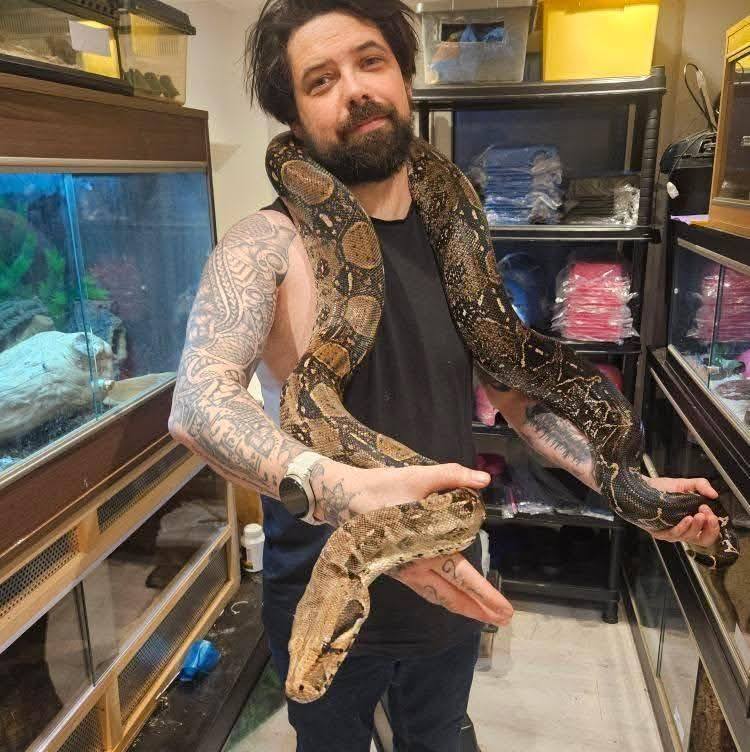
Today, I run Serpanterra Reptile Rescue. It’s been going for about a year and continues to grow. I’m building a new space and working toward a reptile-focused educational facility—one that allows people to interact with these animals and learn about them properly. I fund it myself. It’s hard, but it feels right.
Animals were there when people weren’t.
They shaped who I am.
They still do.
That’s why I prefer them.
 Nature nexus
Leave a comment