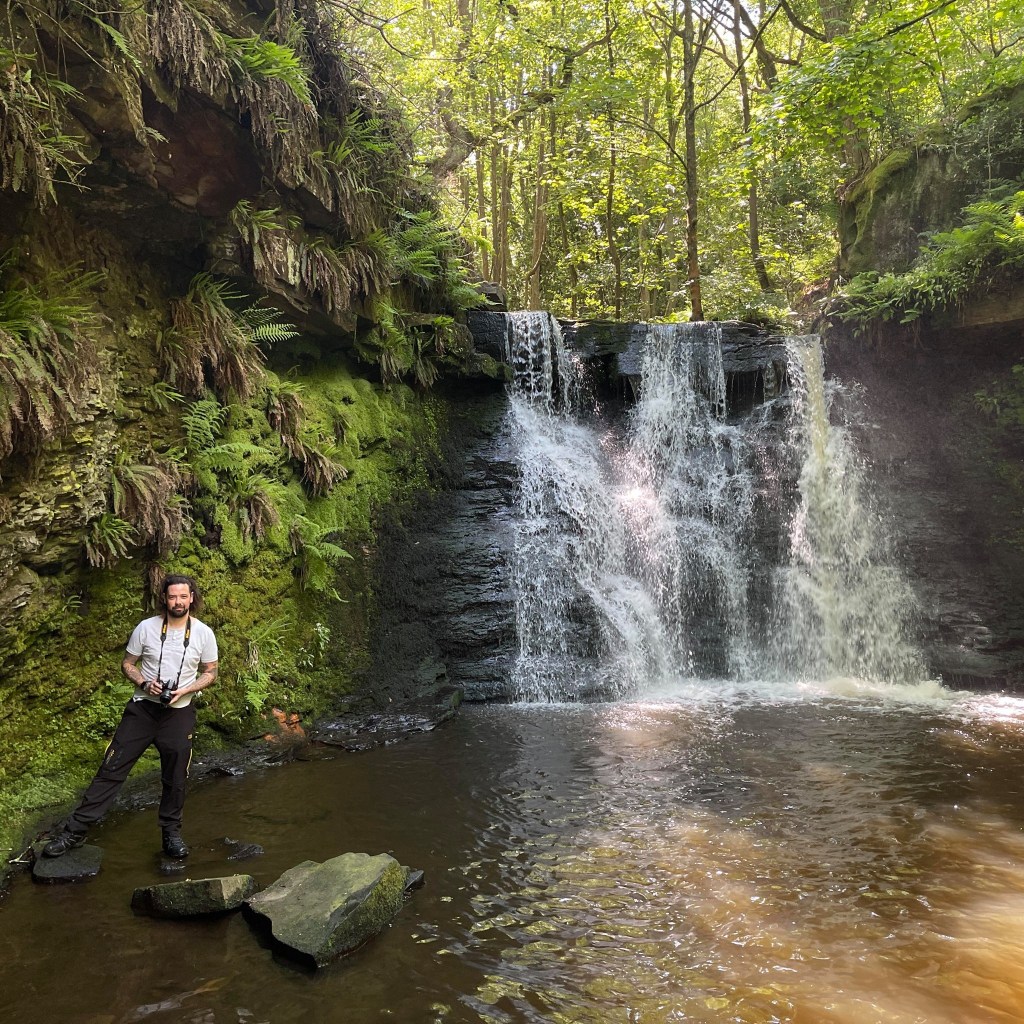
As I sit here watching my snakes, I can’t help but wonder: are we really doing enough to help this world?
I get called weird. An outsider. And honestly? They’re not wrong. It’s one thing I’ve never been ashamed of. I prefer the company of animals. I only really leave the house to take photos of nature or, occasionally, to go shopping with my partner—one of the very few people I genuinely enjoy being around.
I could blame all of this on being bullied at school. I could rant about how “banter” is often just cruelty dressed up as humour. That would be the easy explanation. But the truth is much simpler, and maybe a bit more pathetic: I can read animals, and I can’t read people.
Growing up, I didn’t really have friends—and I was okay with that. I had animals. I had open fields, woods to explore, and space to think. Aside from the bullying, my life was good. I was raised by my dad, who retired in the 90s to look after me. He had a good pension, so he didn’t need to work. When I saw my mum, it was always great. Even though my home was “broken” on paper, it was full of love. What more does a kid really need?
You might be wondering why I’m talking about myself when the title asks Are we doing enough? This isn’t a cheap hook or some YouTube-style bait. My past is key to why I see the world the way I do—and why I’m asking this question at all.
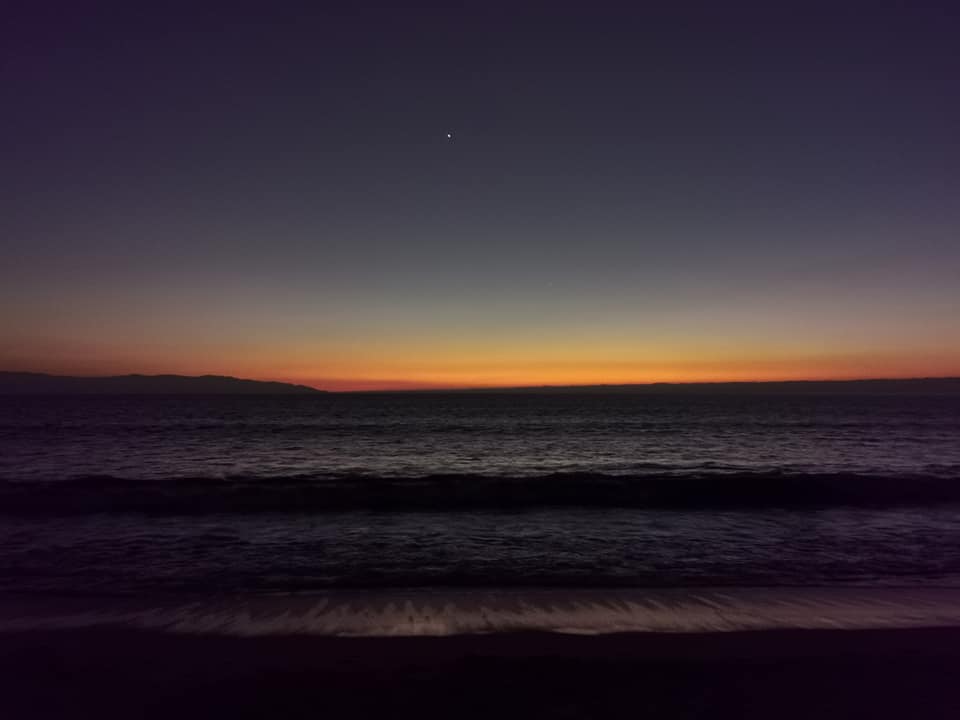
As a child and teenager, I was lucky enough to see parts of this beautiful planet that many never will. My parents took me travelling, and those experiences shaped me. One holiday stands out more than any other: Malta, 1998. I remember it clearly—the hotel full of French fans watching France beat Brazil in the Euro final. I was nine, almost ten, walking along the beach with my mum and stepdad as the sun dipped into the Mediterranean. It was the most beautiful thing I’d ever seen. I grabbed my mum’s disposable camera and took a photo.
That moment changed me. That was the day I fell in love with this planet. It was also the day my love for photography began.
Fast forward to 2005. I was 16, carrying my own camera—a Nikon D50—and my first camera phone, a Nokia N70. That year, we travelled to Cuba. I was in heaven: stunning landscapes, incredible wildlife, raw natural beauty everywhere you looked.
At that point, I did most things on my own. I went on an excursion to photograph some animals on my list, including Cuban crocodiles. I need to stress this: aside from bullies and what I’d seen on TV—9/11 being the worst—I’d never witnessed real cruelty before.
That changed on that hike.
It was brutally hot and humid. I found a good position, fitted my 300mm lens—long enough to keep a safe distance—and lined up my shot. Then I heard what I thought were fireworks.
They weren’t fireworks.
They were gunshots.
Not aimed at me, but at the crocodiles. Multiple shots. Multiple animals killed. I was horrified.
Cuban crocodiles are critically endangered. The people I saw that day weren’t killing them for food—and if they were, in a country as poor as Cuba, I could at least understand it. They killed them for sport. For bags. For shoes.
I’m not pretending I’m perfect. I’m far from it. But humans have driven hundreds of thousands of species toward extinction. Since 1500, over 880 species have been wiped out entirely because of us. A lot of this isn’t even hunting—it’s habitat loss, caused by human expansion. And it isn’t just animals we’re killing. It’s ourselves. And the planet.
Since the 1970s, we’ve destroyed between 17% to 20% of the Amazon rainforest. That’s over one million square kilometres—an area larger than Texas. The Amazon is the most biodiverse place on Earth: over 40,000 plant species, 430 mammals, hundreds of reptiles and amphibians, and up to 1,500 bird species—around 15% of the world’s bird population.
It’s also one of the planet’s most important climate regulators. A massive carbon sink. The Earth’s lungs.
Deforestation and fires are now pushing parts of the Amazon to release more carbon dioxide than they absorb. Instead of slowing climate change, it’s accelerating it. More carbon in the atmosphere means more heat. That’s the greenhouse effect—and we’re pushing it dangerously far.
Humans need to do better.
We share this planet. We are not its centre. In fact, we make up just 0.01% of all living things on Earth. And yet, our survival depends on countless other species. If we drive the wrong ones to extinction, we go with them. That isn’t opinion—it’s biology.
If humans disappeared tomorrow, the planet would keep spinning. New life would eventually take our place.
So, are we doing enough?
Bluntly: no.
The Paris Agreement aimed to limit warming to 1.5°C. But current efforts would only reduce emissions by about 12% by 2035—when we actually need a 55% reduction. That puts us on track for far more warming, alongside irreversible damage like biodiversity loss and glacier retreat.
The only real solution is global cooperation—governments putting aside ego, profit, and politics. And we all know how unlikely that is. Current estimates suggest climate change could cause around 250,000 deaths per year between 2030 and 2050.
That thought keeps me awake at night.
My children will never see the world the way I did. The animals I grew up watching may not survive us. Even the small things hurt to think about.
But small actions still matter. Drive less. Walk or cycle when you can. I know my own travels contributed to this mess—and I live with that. But COVID showed us something important: the planet can heal. Clearer skies. Cleaner air. Oceans recovering, even briefly.
So next time you go to the shop, ask yourself: do I really need to drive?
Sometimes, the smallest choices are where change actually begins.
 Nature nexus
Leave a comment